The housing market in Arizona is as diverse as its desert sunsets, offering a spectrum of loan products that cater to first‑time buyers, seasoned homeowners, and retirees alike. From traditional fixed‑rate mortgages to specialty options like reverse and USDA loans, lenders in the state are constantly updating rates, eligibility criteria, and perks to stay competitive.
While many borrowers start their search at local banks or credit unions, a growing number of Arizona residents are turning to online platforms that promise quick approvals and flexible terms. One such platform, arizonaziploan.com, has emerged as a convenient option for those looking to secure a mortgage without the long wait times typically associated with conventional lenders.
Traditional Fixed‑Rate Mortgages: The Tried‑and‑True Choice
Fixed‑rate mortgages remain the backbone of Arizona’s residential financing market. They lock borrowers into a single interest rate for the life of the loan, providing predictability in monthly payments and shielding homeowners from market volatility.
- 30‑Year Fixed: The most common term, offering lower monthly payments but higher total interest over time.
- 15‑Year Fixed: Faster equity build‑up and reduced overall interest, though at the cost of higher monthly commitments.
Current rates for fixed‑rate loans in Arizona vary by lender. For instance, some providers offer as low as 30-year conventional rates around 3%, while others set thresholds at 4% or higher depending on credit score and down‑payment size.
Adjustable‑Rate Mortgages: Flexibility for the Risk‑Tolerant
ARM products appeal to borrowers who anticipate rising incomes or plan to sell before the adjustable period kicks in. They start with a lower introductory rate, often 1–3% below fixed rates.
- 5/1 ARM: Initial rate fixed for five years, then adjusts annually.
- 7/1 ARM: Longer initial period but higher potential adjustment cap.
Because ARMs expose homeowners to future rate changes, lenders typically require a minimum credit score of 680 or higher. For example, Arizona ARM rates can start near 2.5% for qualified borrowers.
ARM vs Fixed: Which Path Is Right?
Deciding between an ARM and a fixed‑rate mortgage hinges on personal financial goals and market outlook. If you expect to stay in your home for over a decade, a fixed rate may offer long‑term stability. Conversely, if you anticipate a salary bump or a move within the next five years, an ARM could save you money during its introductory phase.
Government‑Backed Loans: USDA and VA Options
The U.S. Department of Agriculture (USDA) and the Department of Veterans Affairs (VA) provide no‑down‑payment options that are highly attractive to eligible borrowers. In Arizona, these loans are especially popular in rural communities and among military families.
- USDA Loans: No down payment, low mortgage insurance, and eligibility based on income and property location.
- VA Loans: Up to 100% financing for qualified veterans, active duty members, and certain spouses.
Because these programs are federally backed, lenders often offer slightly higher credit score thresholds—typically around 660 for USDA and 640 for VA—yet they compensate with reduced monthly payments due to the zero‑down structure.
How to Qualify?
Applicants must pass a USDA eligibility check, proving income below certain limits and that the property is in a designated rural area. VA borrowers need to provide a Certificate of Eligibility (COE) through the VA home loan portal.
Specialty Loans: From Reverse Mortgages to Non‑QM Products
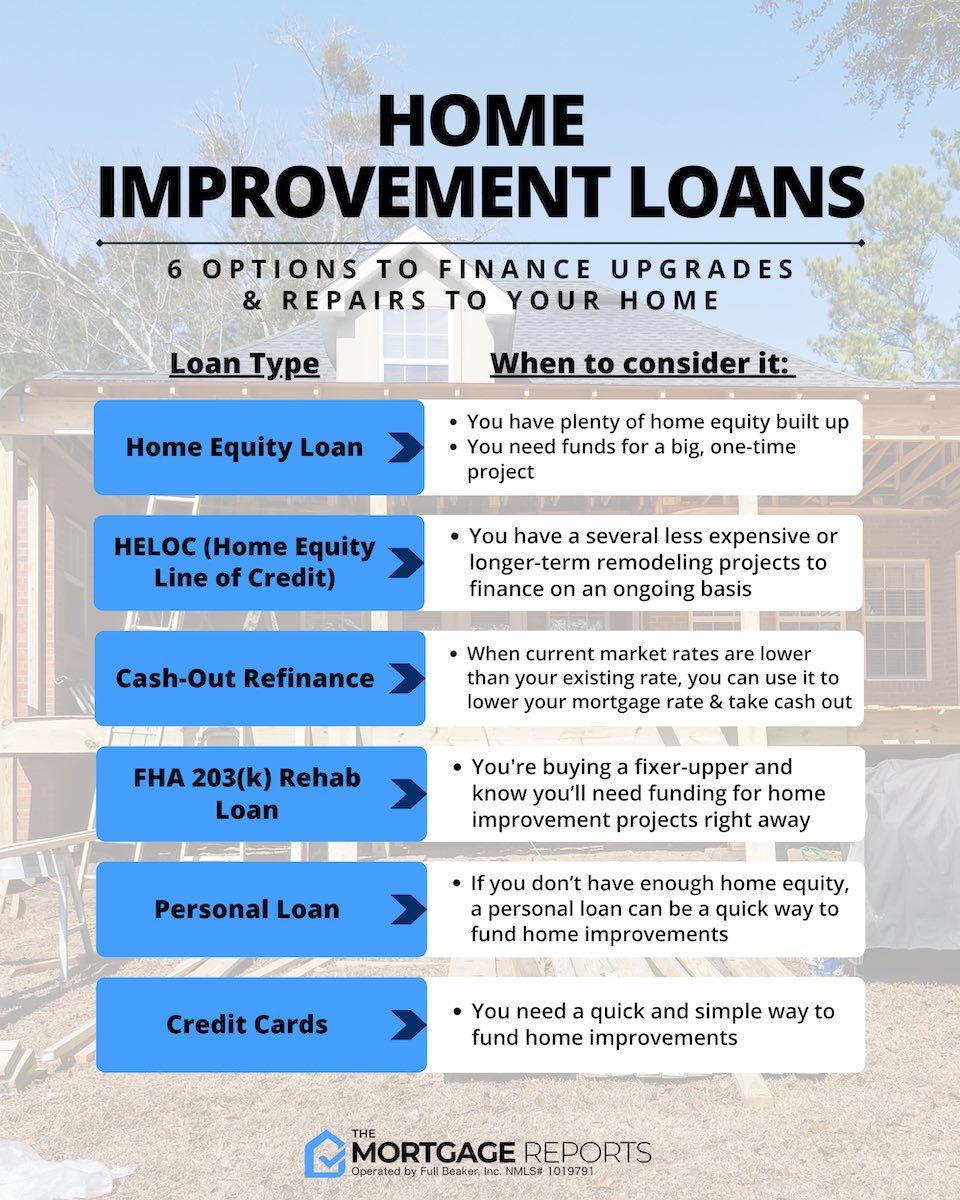
Arizona homeowners with unique needs can tap into a range of specialty loans. These include reverse mortgages for seniors, non‑Qualified Mortgage (non‑QM) products for self‑employed borrowers, and renovation loans that bundle home improvement costs into the principal.
- Reverse Mortgages: Convert home equity into cash for individuals aged 62 or older without monthly payments.
- Non‑QM Loans: Designed for self‑employed borrowers, they consider alternative income documentation and may offer higher credit score requirements.
- Renovation Loans: Combine purchase and improvement costs into a single mortgage, often with a flexible down‑payment window.
Because these loans carry unique risks—such as higher interest rates for reverse mortgages—borrowers should consult a financial advisor before proceeding. For instance, Arizona reverse mortgage rates typically range from 5% to 8%, depending on age and loan-to-value ratio.
Who Benefits Most?
Reverse mortgages are ideal for retirees needing liquidity, while non‑QM loans serve self‑employed individuals who struggle with traditional documentation. Renovation loans attract buyers purchasing fixer‑ups or homeowners looking to refinance and upgrade simultaneously.
The Role of Credit Scores in Arizona Loan Approval
Lenders across Arizona use credit scores as a key metric, but thresholds vary by loan type. Below is a quick snapshot:
| Loan Type | Minimum Credit Score | Typical APR Range |
|---|---|---|
| 30‑Year Conventional | 680 | 3% – 4.5% |
| VA Loan | 640 | 2% – 3.5% |
| USDA Loan | 660 | 1.75% – 4% |
| Reverse Mortgage | 620 (age‑based) | 5% – 8% |
While a higher score often translates to lower rates, many lenders consider additional factors such as debt‑to‑income ratio, employment history, and the amount of down payment. Arizona’s diverse loan landscape rewards borrowers who present a solid overall financial picture.
Application Process: From Pre‑Qualify to Closing
The journey from application to closing can be surprisingly swift in Arizona, especially with online lenders that streamline paperwork through digital signatures and automated underwriting.
- Pre‑Qualification: A soft credit check provides an estimate of loan amount and rate without affecting your score.
- Formal Application: Requires a hard pull, income verification, and possibly a property appraisal.
- Underwriting: Lenders assess risk factors; approvals can come within one business day for qualified borrowers.
- Closing: Once the loan is approved, funds are typically disbursed within two to three days if all documents are in order.
For those who need speed, platforms like arizonaziploan.com highlight same‑day funding options for qualified applicants. However, borrowers should still review the fine print—most lenders charge origination fees ranging from 0.5% to 6% of the loan amount.
Documentation Checklist
To avoid delays, gather these documents before starting your application:
- Recent pay stubs or tax returns (for self‑employed borrowers)
- Proof of residence and identity (driver’s license, passport)
- Bank statements for the last three months
- Existing loan statements (if refinancing)
Having everything ready can shave days off the approval timeline.
Fees and Closing Costs: What to Expect in Arizona
While rates are often highlighted, closing costs can add another 2–5% of the loan amount. Common fees include:
- Origination Fee: 0.5% – 6%
- Appraisal Fee: $300 – $500
- Title Insurance and Recording Fees: Varies by county
- MIP (Mortgage Insurance Premium): For loans with less than 20% down, typically 0.5% – 1% annually
In Arizona, some lenders offer “no‑fee” packages for VA and USDA borrowers, but these may come with slightly higher interest rates or stricter eligibility.
Using an Lender’s Fee Calculator
Many online portals provide a fee calculator that estimates closing costs based on loan amount and down payment. For instance, the Rate loan calculator allows you to compare scenarios across conventional, VA, and USDA loans.
Why Arizona Homeowners Are Turning to Online Lenders
The convenience of digital applications, instant approvals, and the ability to compare multiple offers on a single screen make online lenders an attractive alternative to traditional banks. In 2026, studies show that 38% of Arizona homebuyers used at least one online platform during their loan search.
- Speed: Many platforms promise same‑day funding for qualified borrowers.
- Transparency: Real‑time rate updates and fee breakdowns help consumers make informed decisions.
- Accessibility: For those who cannot visit a branch—whether due to distance or mobility constraints—online lenders offer a fully digital experience.
However, borrowers should remain vigilant. While online platforms often waive origination fees, they may still charge for other services such as credit monitoring or extended payment plans.
Comparing Offers: A Quick Guide
When evaluating multiple quotes, consider these key metrics:
- APR (Annual Percentage Rate): Reflects both interest and fees.
- Lender’s Credit Score Requirement: Ensure you meet the threshold to avoid rejection.
- Loan Term Flexibility: Some lenders offer 5‑year, 7‑year, or even 10‑year adjustable periods.
- Special Perks: Look for down‑payment assistance programs or closing cost credits.
A thorough comparison can save thousands over the life of your loan.
The Future of Arizona Mortgage Lending
With technology reshaping every facet of finance, Arizona lenders are increasingly adopting AI-driven underwriting models that evaluate non‑traditional data points—such as utility payment history—to expand eligibility. Additionally, state regulators are exploring tighter disclosure requirements to protect consumers from hidden fees.
As the market evolves, borrowers who stay informed about rate trends, fee structures, and program nuances will be better positioned to secure favorable terms—whether they choose a conventional bank, a credit union, or an online platform like arizonaziploan.com.